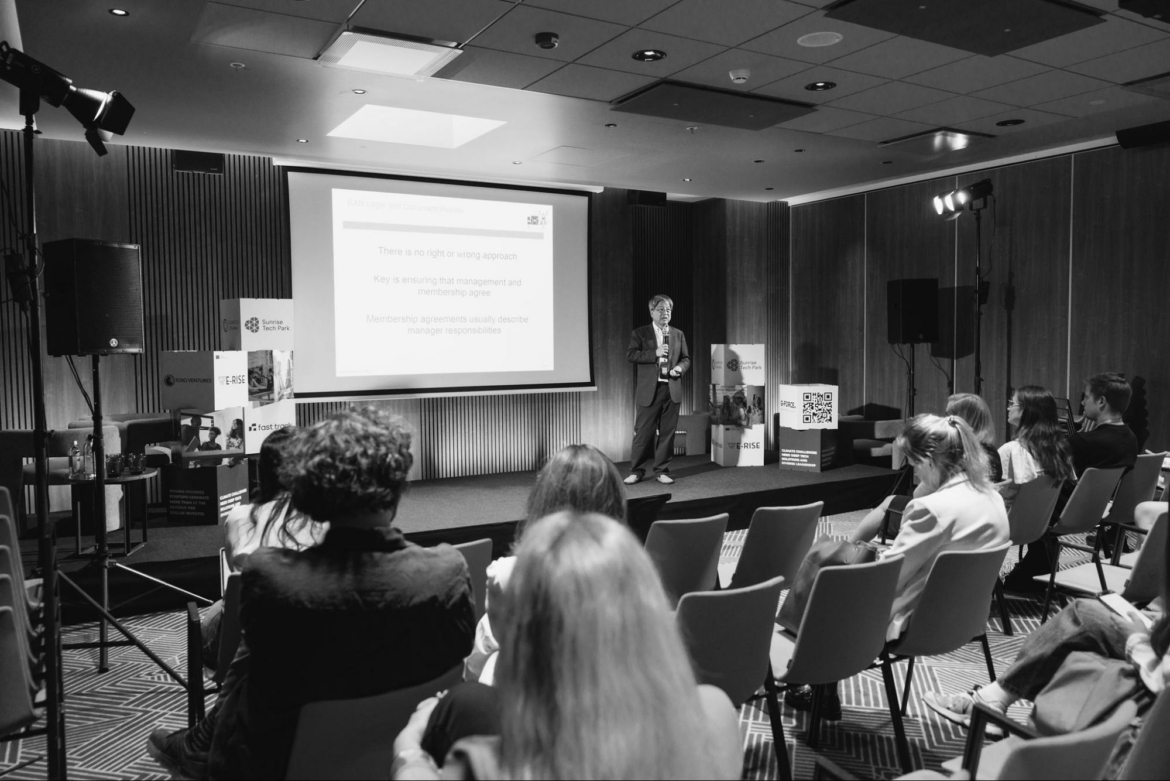
How do you run a business angel network that’s financially sustainable, operationally sound, and built to last? That was the question at the heart of this year’s BAN Manager Track, held during EBAN Congress 2026 in Vilnius, the third edition of a track born at EBAN Congress 2025 and built specifically for the professionals who keep Europe’s angel networks running.
This year, the room turned its attention from cross-border collaboration to something equally fundamental: how BANs actually operate, fund themselves, and protect their members when things get risky.
A View from Across the Atlantic
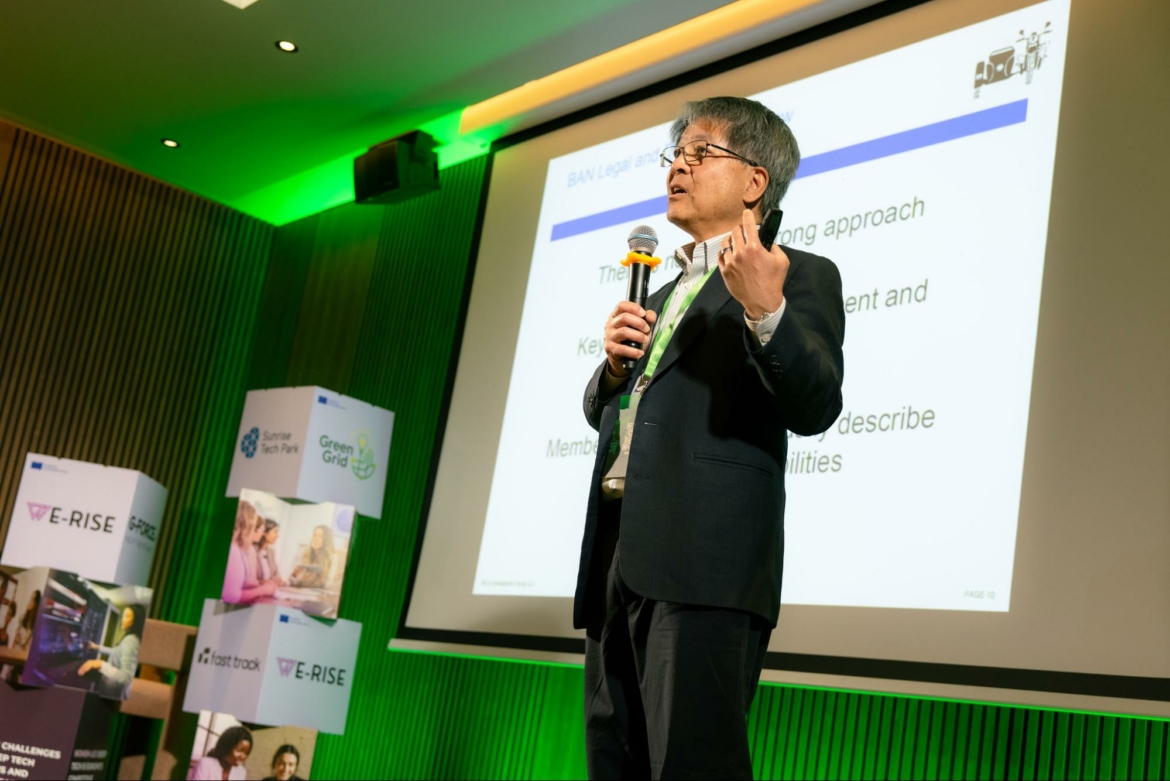
Alden Zecha, Managing Director of Sidecar Angels (Boston), gave the room a candid look at how a mature, established network runs in the US. With 35 members deploying an average of $1.25 million a year, Sidecar Angels has built a model with no public funding whatsoever, revenue comes entirely from membership dues, sponsorships, and carry on gains. Two investment pathways, group and individual, give members flexibility, but the network itself stays hands-off on document review, expecting each member to do their own diligence.
One detail drew particular interest: Sidecar Angels doesn’t invest cross-border into non-US companies, unless that company has set up a US LLC. It was a useful reminder that “going global” looks different depending on which side of the Atlantic you’re standing on, and offered European BAN managers a clear point of comparison for their own structures.
The Refinancing Trap
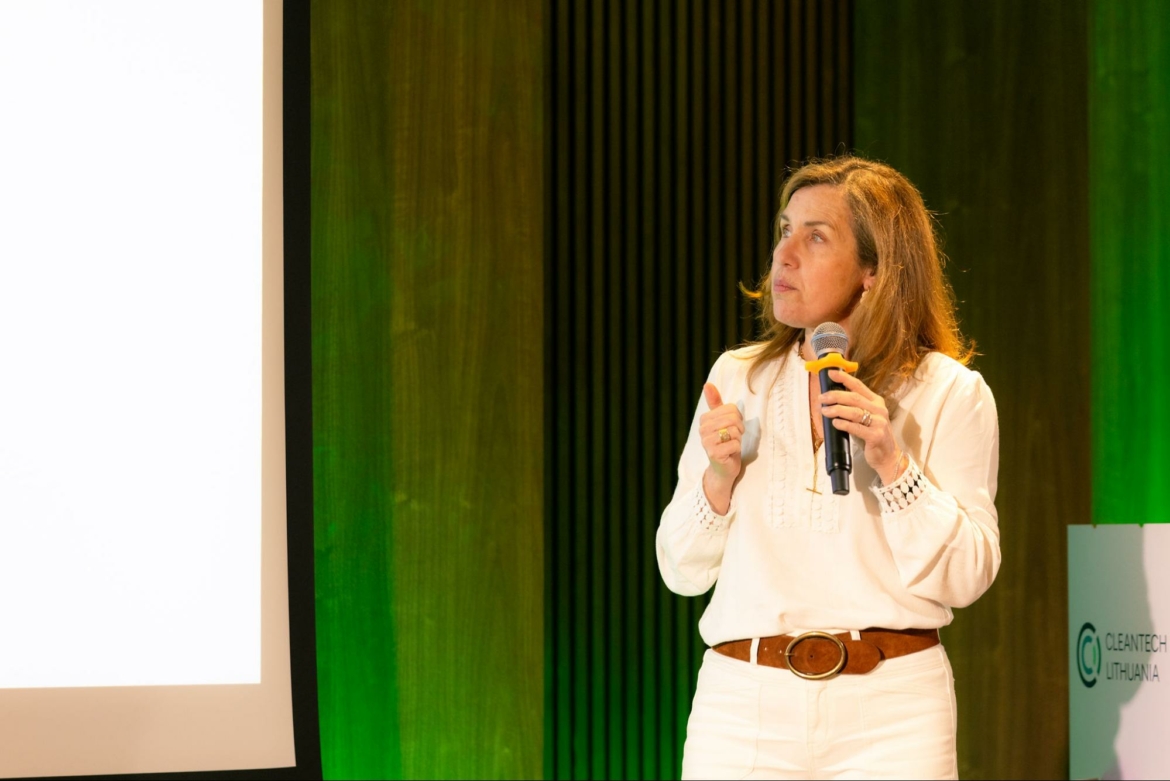
Caroline Saï, Director of Angels Santé brought the room back to Europe with a sharper, more cautionary session: what happens when a portfolio company comes back asking for more money? Her team’s own numbers revealed some uncomfortable patterns and a set of lessons every BAN manager in the room could recognise.
Pressure to keep investing, she explained, doesn’t always come from the startup. Sometimes it comes from the ecosystem, or from the lead investor themselves, who is just as susceptible to cognitive bias, the endowment effect, confirmation bias, as anyone else. Her core message: more funding rounds do not automatically mean a better exit, and concentrating capital into too few companies only raises the risk.
Her prescription was practical: set clear, objective rules for both leads and startups, protect newer members through better risk education, and draw a sharp line between a bridge round and a genuine Series A. Angels Santé is now putting this into practice by offering derisked Series A deals with clearer exit paths, a model other European BANs may want to watch closely.
What This Means for the Network
If last year’s track was about building bridges, between countries, languages, and legal frameworks and this year’s was about building foundations: sound revenue models, disciplined governance, and protection for the members who trust their network with real capital.
Taken together, the two sessions offered a useful contrast: the operational maturity of a long-established US network, and the hard-won risk lessons of a European one navigating refinancing in real time. For BAN managers in the room, it was a reminder that professionalising the back office is just as important as growing the front end.
The BAN Manager Track keeps proving its worth as one of EBAN’s most practical, peer-driven spaces, where the conversations are more about the everyday decisions that keep an angel network alive, solvent, and trusted.